
Our story
The dreamer in me — discovering the unknown.
Dream Village has had many homes since it began as a sketch on a college wall in 2007. Here is the journey, in Clement Matorwmasen’s own words.
My story starts with a dream — to build a space where the wisdom of the old meets the energy of the young. In Ghana, we don’t really have aged homes, so I wondered: what’s the closest thing? That’s when orphanages came to mind. There’s a certain similarity — both the elderly and children rely on others for care.
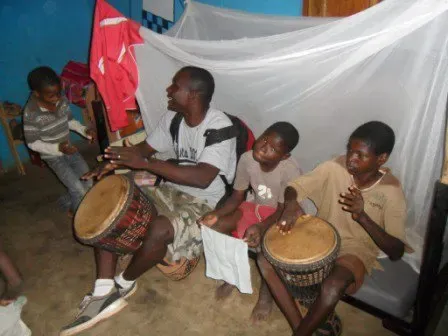
I worked at Redemption Children’s Home in Damongo while running my ICT company, CleTek Services. The idea of Dream Village took root there. “It takes a village to raise a child” — I wanted a space where people could dream, find their purpose and thrive.
The early struggles
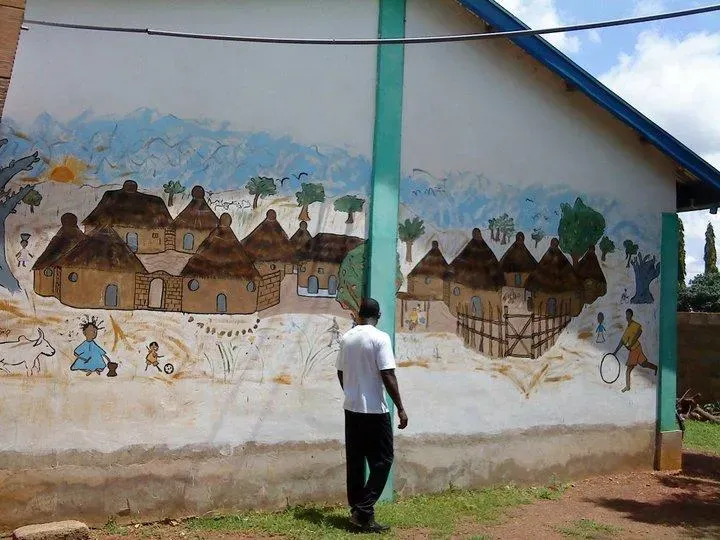
My first attempt at Dream Village was the mural — an artistic representation of the vision. Turning it into reality was harder. I tried in Dagburbogle but lacked experience and support. In 2006/07 I tried again at Bongo Bing, then again in 2009 in Damongo, where I was working at the orphanage.
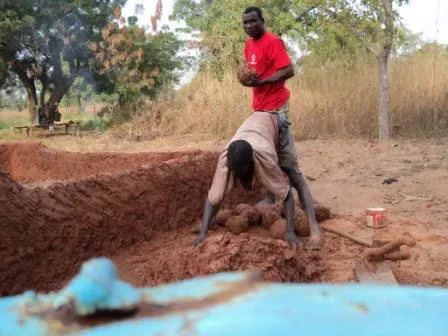
With my friend Bugri, we built huts that drew volunteers from Hong Kong, the USA and Canada. I remember Jeanine Scheffert helping me hammer nails through the roof tiles — small moments that stay with you.
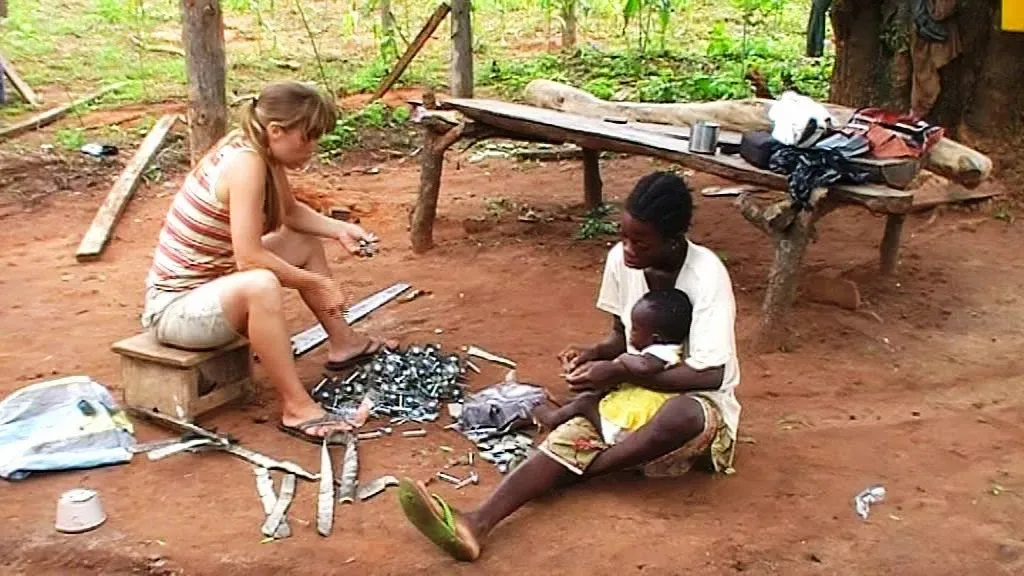
Life had other plans. In Damongo I met my wife, Femke — something I never saw coming. At the time, I was sceptical of foreigners. I felt NGOs were pushing too much influence, sometimes erasing our own culture. Marrying one wasn’t the plan. Life has a way of surprising us.
Drive Aid Ghana
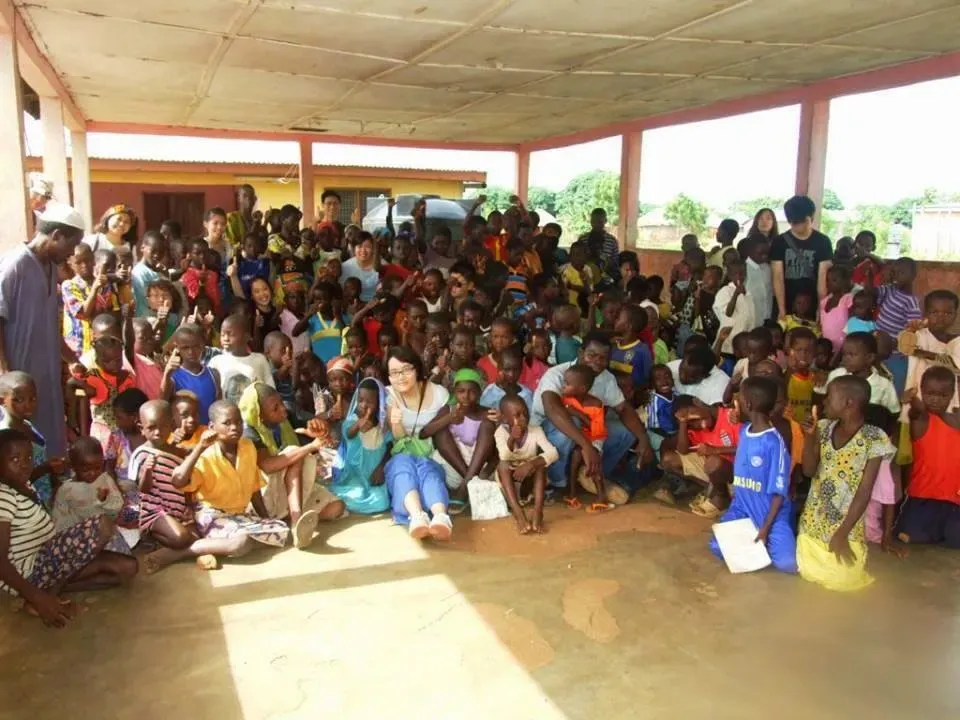
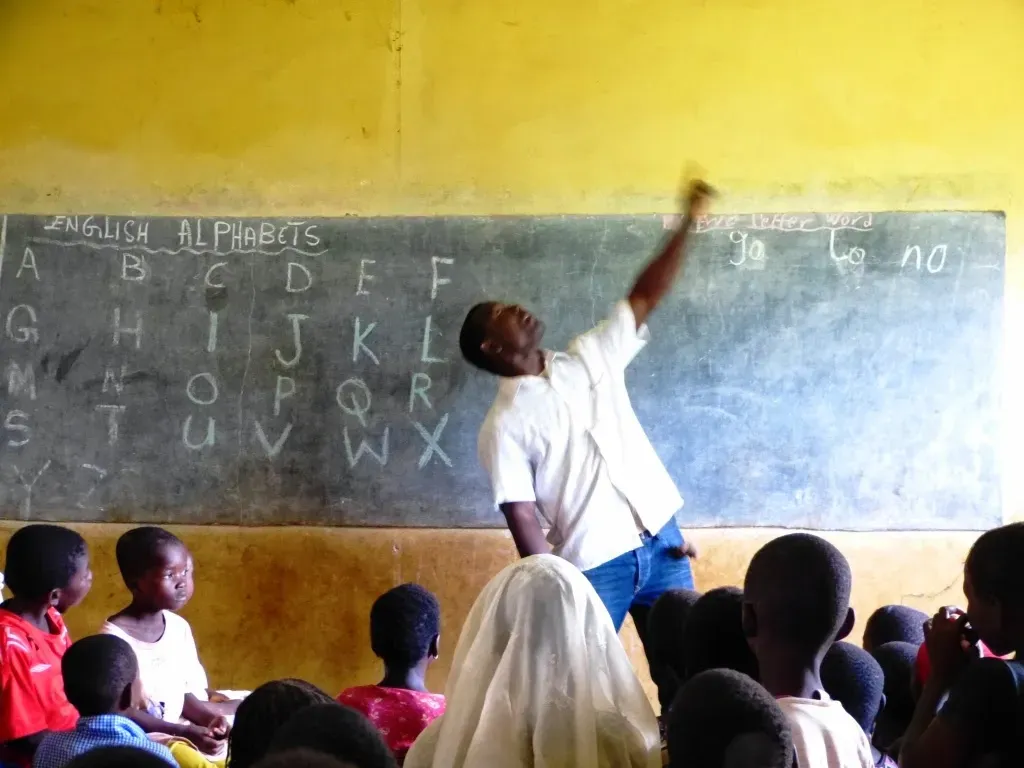
In 2009, Femke and I started Drive Aid Ghana — focused on education, especially in villages around Tamale. Reading, writing, computer skills, books and materials.
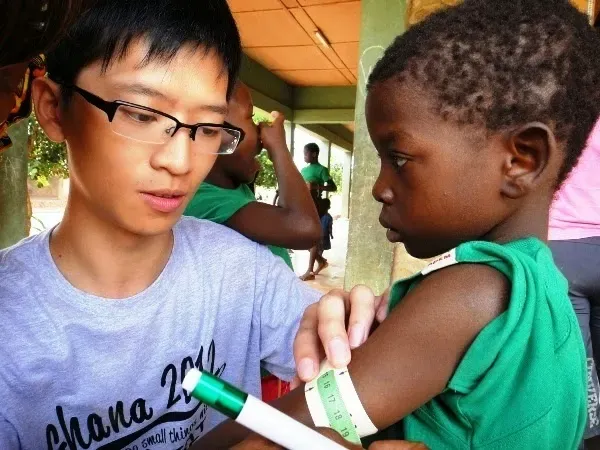
Around 2012, with Drive Aid thriving, I began exploring Moringa’s potential. More than a plant — a nutritional powerhouse. We provided Moringa-based support to malnourished children. I even made a bold promise: if a child on our Moringa programme didn’t improve, we would cover their medical costs. A risk worth taking.
Expanding and taking risks
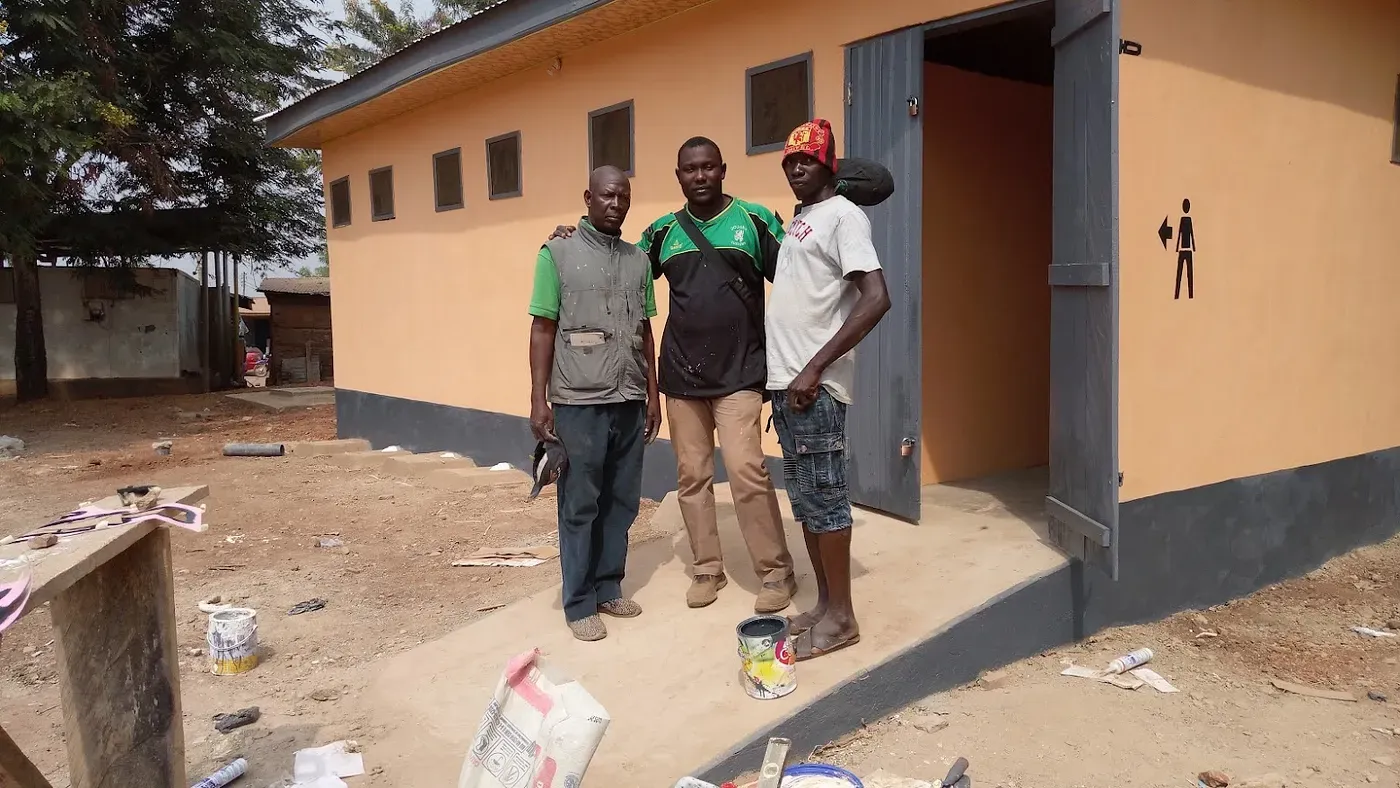
Between Nantong, Chakori and Bimbari, we kept expanding. By 2016 I was constantly travelling, and a government contract to build public toilets arrived unexpectedly — four 10-seater pour-flush toilets in Dambai and Nkwanta in three months. The engineer joked I was constructing hotels, not toilets.
On my way home I stopped in Zongo Machiri, where my cousin is chief. That stop changed everything. The community desperately needed water. I posted about it on Facebook; support came, especially from the New Life Church in Rotterdam. That led to our first borehole.
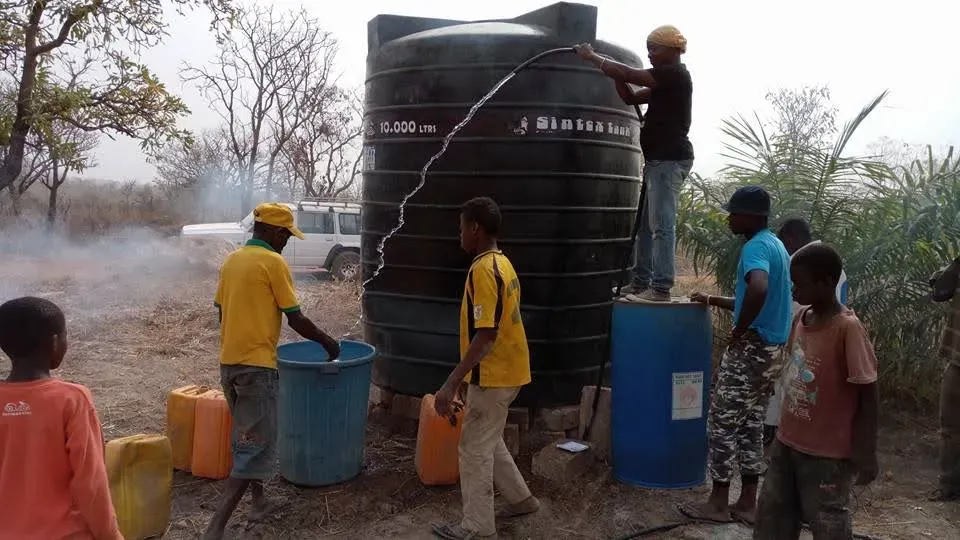
Many had tried to drill in Zongo Machiri before and failed, so when we succeeded, it was a big deal.
Young people were afraid to pump water at night due to superstition. I started driving six hours weekly from Tamale, sleeping in the bush, just to pump water myself.
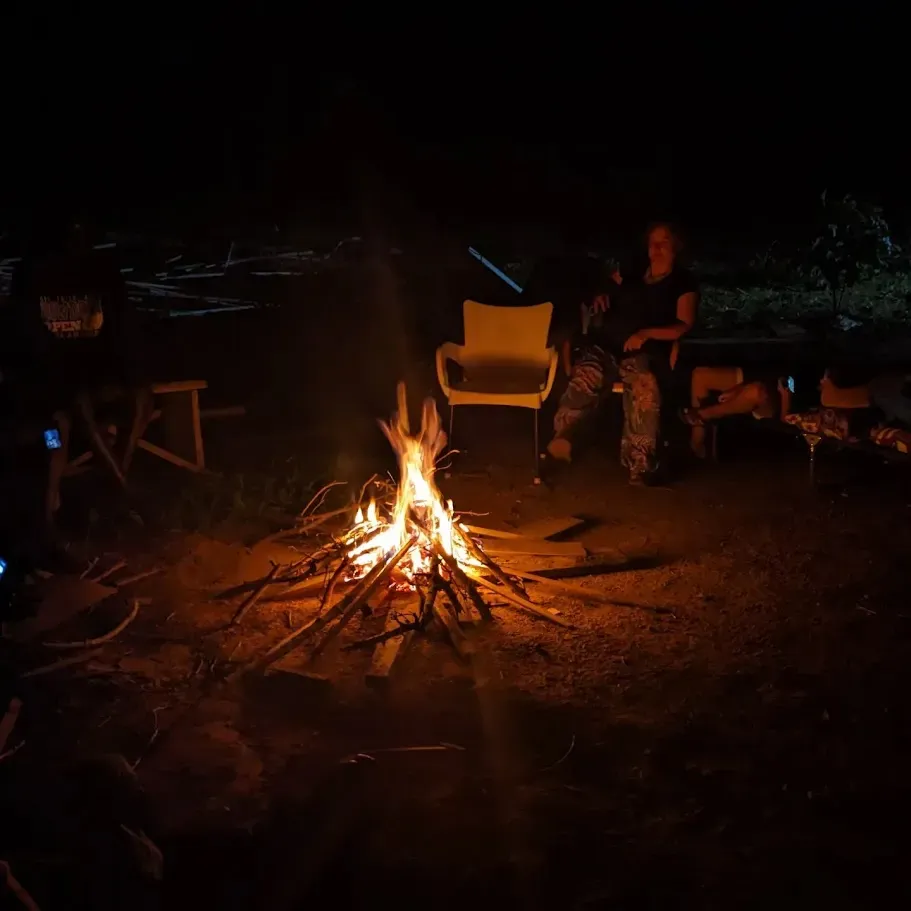
Young people started gathering around my bonfires — for the food, the stories, the music or films from my laptop. I saw their potential, their hidden talents, and realised they needed opportunities. That’s when Dream Village truly started taking shape.
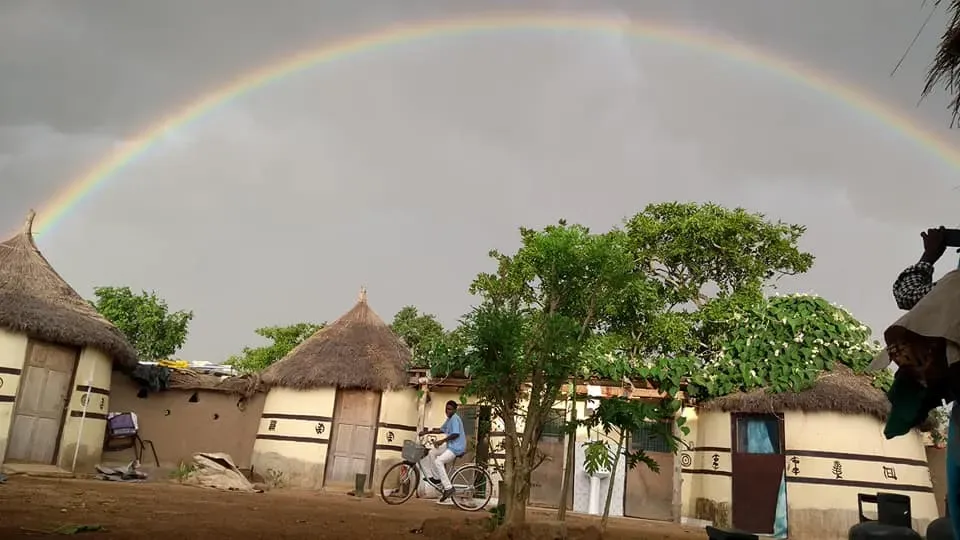
The birth of Dream Village
We built a garden, then a hut, then a food forest. I even introduced Nubian Vault architecture — a sustainable building method I had admired for years. At first, experts told me it wouldn’t work in Ghana. Years later, Thomas Dietrich came, and together we built our first classroom using the technique.
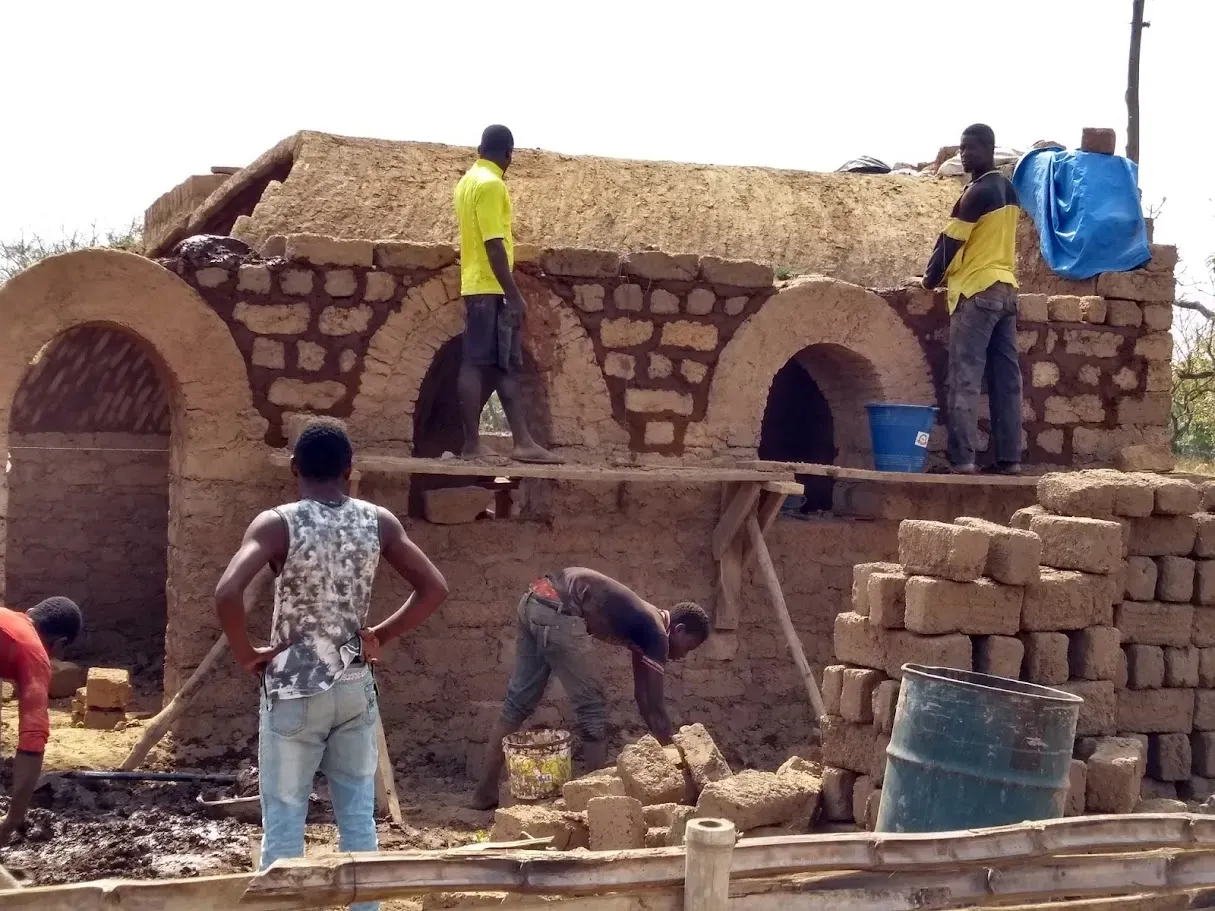
With the classroom in place we started training young people — most pushed out of the formal school system. ICT, farming, entrepreneurship, then reading and writing. By 2019 we held our first graduation.
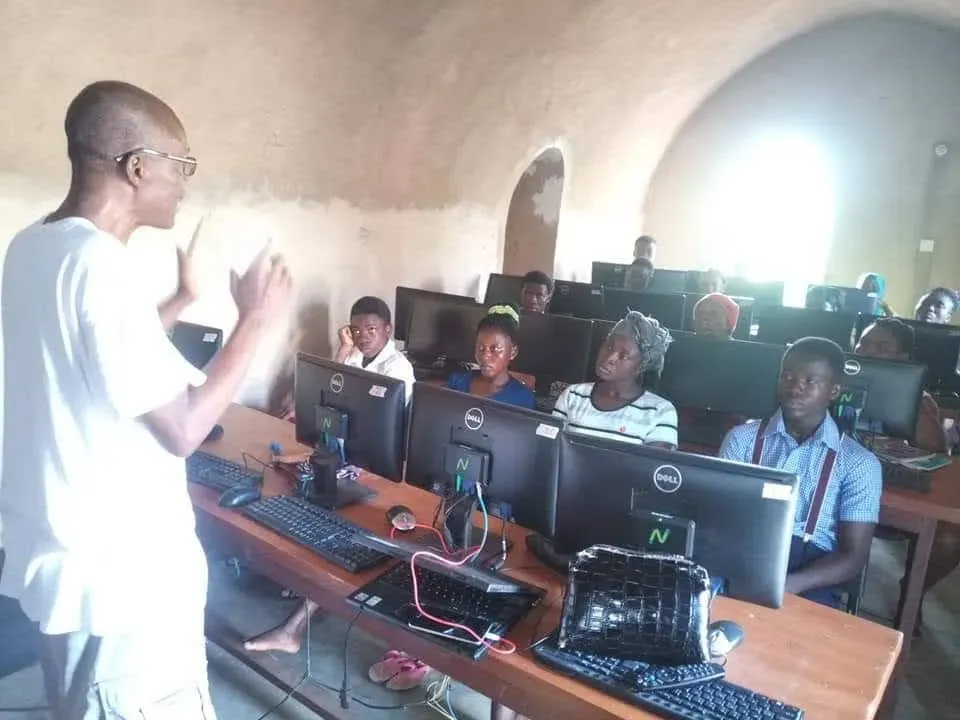
Dream Village became a hub of activity. We launched the MEAKumla Festival, bringing together chiefs, politicians, mentors and thousands of children. Then COVID hit.
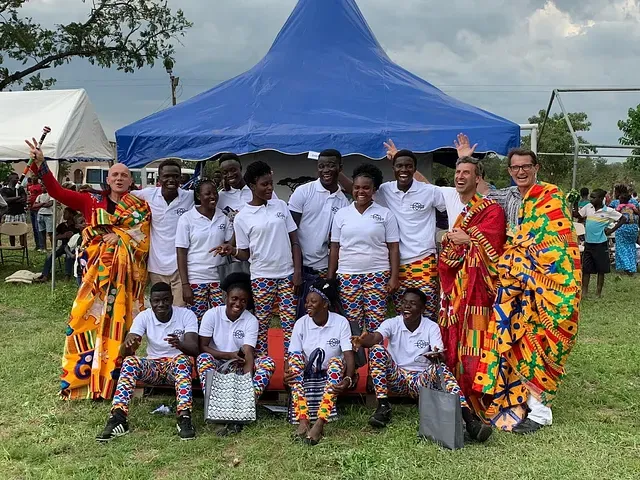
Setbacks and a new beginning
The pandemic forced my family to leave. Dream Village came to a halt. I was attacked, making it harder to continue. I spent time in Europe; returning to see everything stand still was heartbreaking. But I still loved what I was doing, and I still believed.
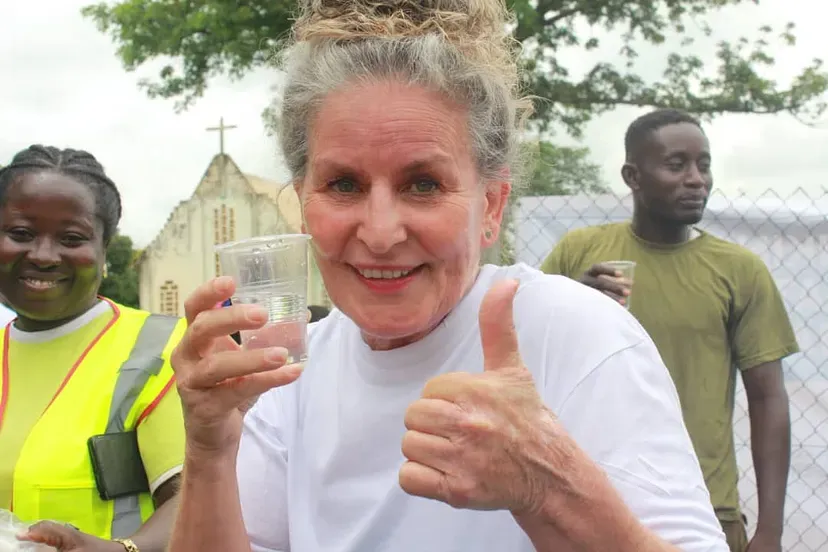
With Blue Gold Works and the Grundfos Foundation, we built water systems in Nantong Zuo, Anyinamae and Boafori. We developed an organic water purification system meeting WHO standards. When my friend Liesbeth van Vemden — Mama Dream Village — drank the purified water and gave her approval, the community embraced it too.
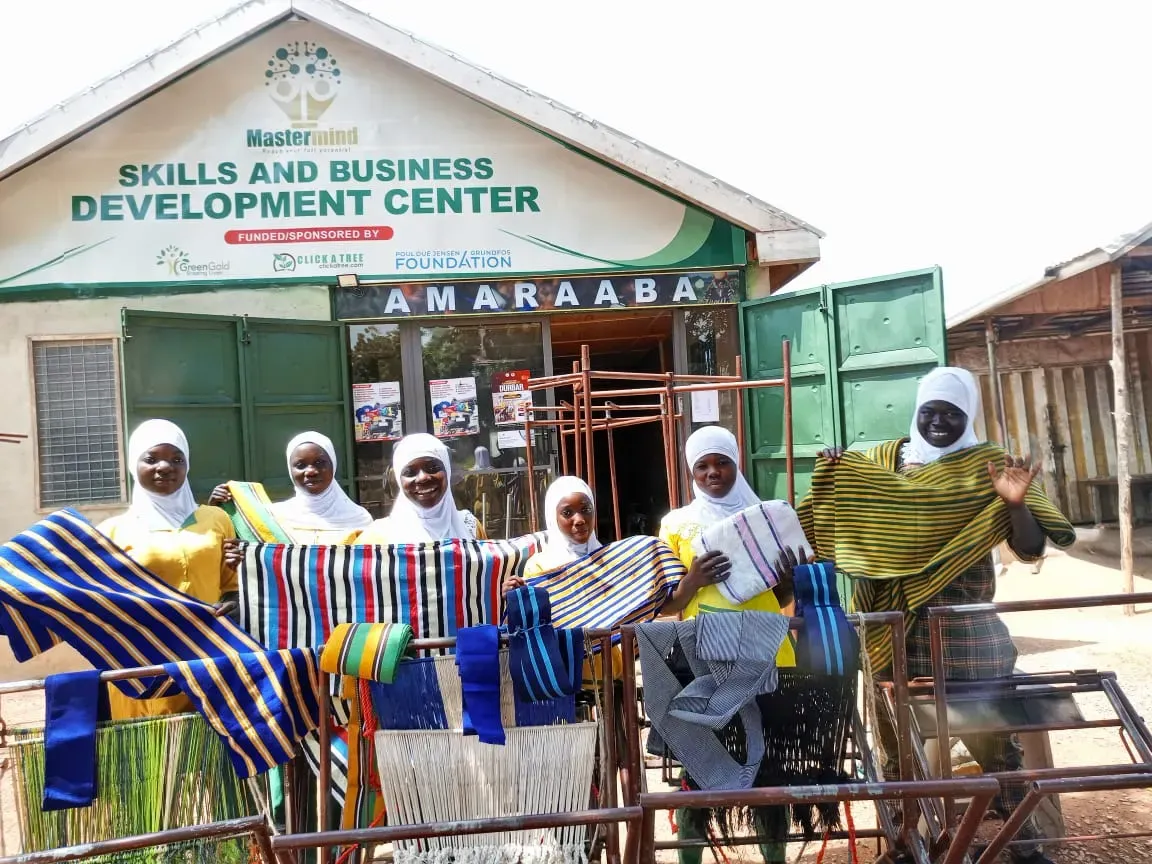
Around the same time, I started a training centre in Tamale for weaving and fashion design. We began with six girls. Today the centre runs independently with 27 students and eight graduates from the three-year programme.
Dream Village in Dambai
Dambai offered better conditions: water access, friendlier communities, fewer external interferences. Fires had destroyed much of our food forest in Zongo, but in Dambai we had the chance to prove that a true syntropic farm could work.
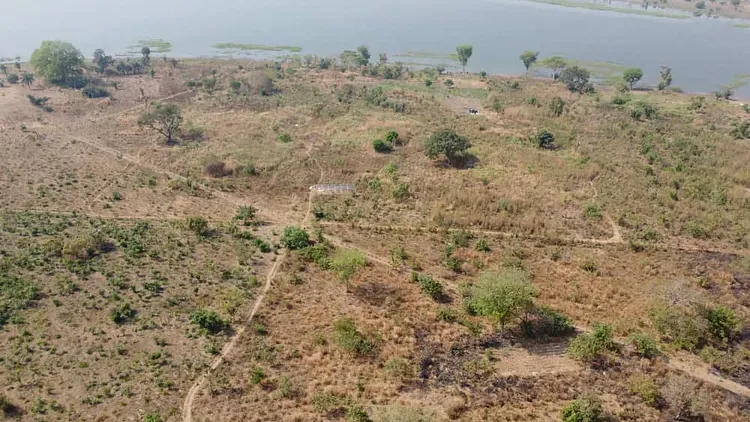
We started small, planting trees and integrating diverse crops — moringa, coffee, cocoa, cashew, mango, baobab, banana. Farm-to-table, everything organic. By now Green Gold has planted more than 170,000 trees with us.
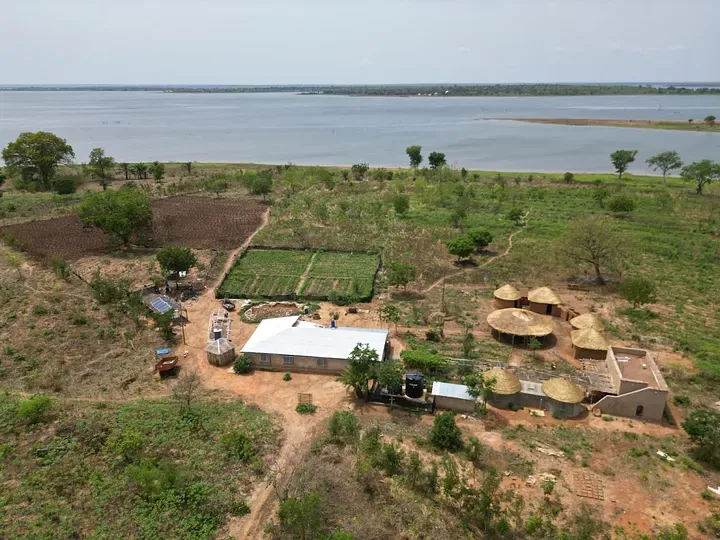
Dream Village also evolved into a training hub. We partnered with colleges, welcoming interns and volunteers. Local children began learning ICT and agriculture, expanding their dreams beyond what they thought possible.
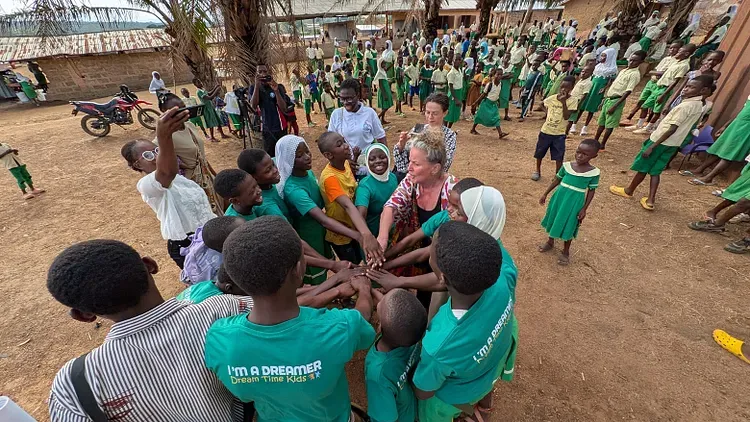
Looking back, I realise something — I don’t know how to give up. Maybe I should learn. But for now I’ll keep dreaming, building, and creating spaces where people can thrive.
Because that’s what Dream Village is all about.